

Fill out the form and our team will contact you shortly.
🔒 Your information is safe and secure.Streamline Home Improvement Blog
August 6, 2026
August 6, 2026
One of the most common questions our team hears during a bathroom estimate goes something like this: "The tile still looks fine — why is the wall behind it soft?" It's a fair question, and the answer surprises a lot of homeowners. Tile and grout are not waterproof. They never have been. Grout is porous by design, and even sealed grout absorbs moisture. The thing actually keeping water out of your framing is whatever sits behind the tile — and in a lot of Metro Detroit homes, that layer is either failing or was never there to begin with.
A properly built tile shower is a layered system. Water passes through grout joints and reaches a waterproof barrier behind or beneath the tile. That barrier directs the moisture back toward the drain, where a weep system carries it away. Tile is the wear surface and the finish — it is not the seal. When a shower leaks, it is almost never because the tile failed. It's because the waterproofing layer was missing, installed incorrectly, or has simply aged out.
Housing stock around here spans a wide range, and each era has its own quirks. In homes built through the mid-century, showers were often built over a thick mortar bed with a lead or copper pan underneath. Those assemblies were genuinely well made and many lasted decades — but metal pans corrode eventually, and once a pinhole forms, water quietly runs into the subfloor for years before anyone notices.
In homes remodeled during the 1980s and 1990s, we frequently find tile set directly over drywall or over \"green board,\" the moisture-resistant drywall sold in that era. Green board resists humidity. It does not resist standing water. Once water gets past the grout, that panel turns to mush, the tile loses its bond, and you start seeing loose tiles, hairline cracks along the corners, or a spongy spot near the shower floor.
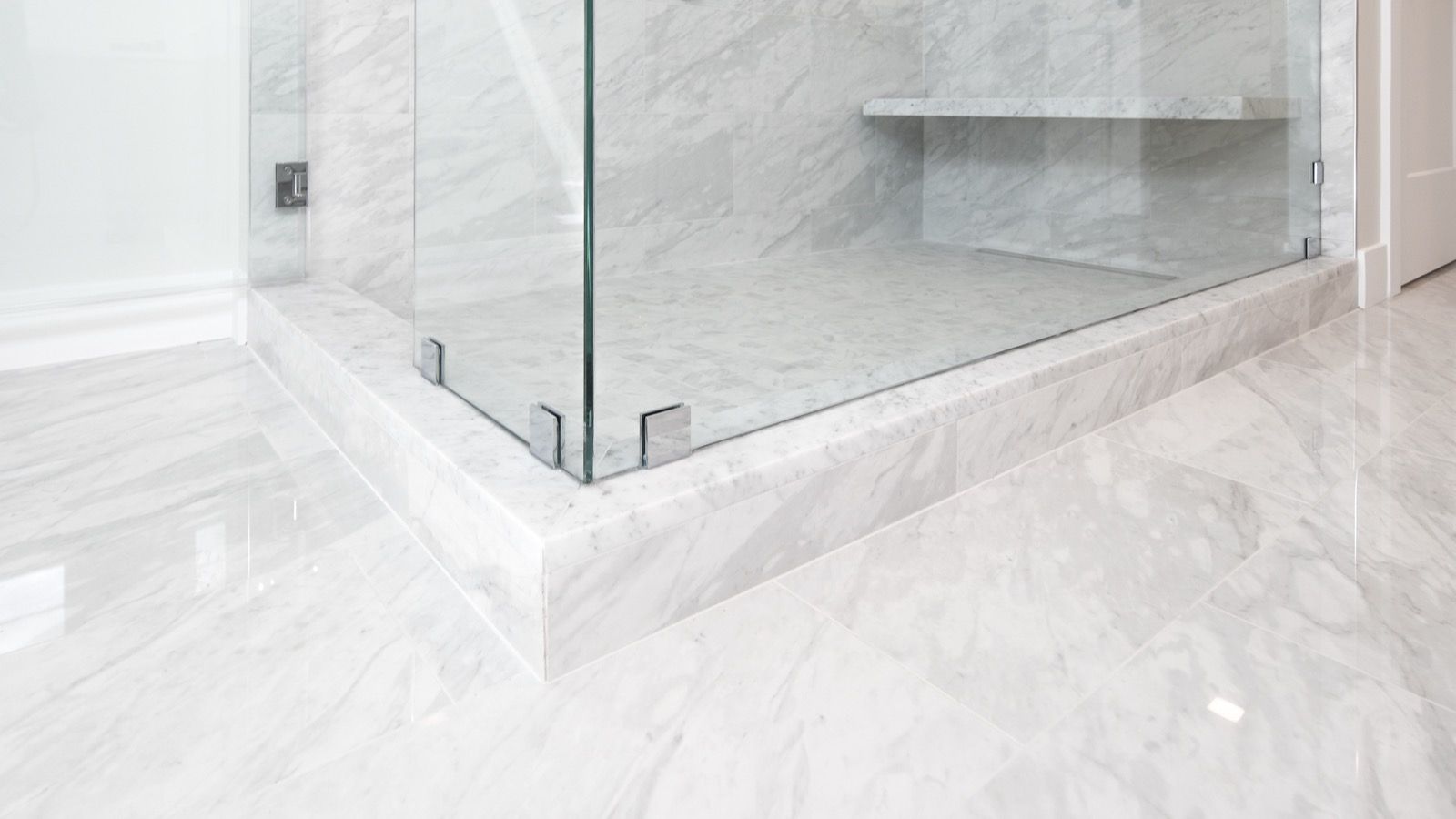
Newer builds usually have cement backer board, which is a real improvement — but cement board by itself isn't waterproof either. It just doesn't degrade when it gets wet. Without a membrane over it or a vapor barrier behind it, moisture still reaches the studs.
Most shower failures announce themselves long before a ceiling stain shows up downstairs. Watch for grout that keeps cracking in the same corner no matter how many times it's patched, tiles that sound hollow when tapped, a persistent musty smell in the bathroom, discoloration on the wall on the other side of the shower, or flooring near the shower that has started to lift or cup. Any of those suggests water is going somewhere it shouldn't.
Today there are a few reliable approaches, and good contractors use them consistently. Sheet or liquid-applied membranes bond directly to the substrate and create a continuous waterproof surface, with special attention paid to corners, seams, and the transition where the wall meets the pan. Foam board systems come pre-waterproofed and get sealed at the joints. Bonded-flange drains tie the pan membrane directly into the drain assembly so there's no gap for water to sneak through.
The details matter more than the brand. Corners, curbs, niches, and bench tops are where nearly all leaks originate, because those are the spots where the membrane has to change direction. A shampoo niche framed and tiled without proper waterproofing behind it is one of the most common failure points we see in otherwise attractive showers.

Ask any contractor what waterproofing system they use and how they treat corners and the niche. Ask whether the pan is a bonded system or a traditional liner. Ask if they flood-test the pan before tile goes down — a simple overnight water test that catches problems while they're still cheap to fix. A contractor who can answer those clearly is a contractor who has thought about the part of the job you'll never see.
It's also worth knowing that if you're already opening up a shower to fix water damage, that's often the most cost-effective moment to change the layout, add a bench, or convert a cramped tub alcove into a full walk-in shower. The demolition is happening either way.
If something about your shower has you suspicious — a soft spot, recurring grout cracks, or just a bathroom that's overdue — our team is happy to take a look and walk you through what's realistic. We're currently running $2,000 off bathroom remodels, and a sales associate can go over the details during your visit. We're typically booked two to three months out, though rescheduling occasionally opens up an earlier slot. Reach out whenever you'd like a free, no-pressure consultation.
Upgrade your home with a clean, modern look—without the stress, delays, or hidden costs. We specialize in efficient, high-quality remodels built to last.
Request your free estimate today!
Limited time offer – Get your free quote today!
Restrictions apply. Call for details.
Fill out the form below and one of our experts will reach out shortly.